Issue
29 Breaks in this issue · 2019
We measured tea drinking temperatures of over 50,000 people and followed up with them over a time span of 10 years. In our study, drinking tea at temperatures...
Brain activity emerges from the coordinated dynamics of a huge network of neurons. Here, we explored what sorts of wave patterns can arise at the whole-brain...
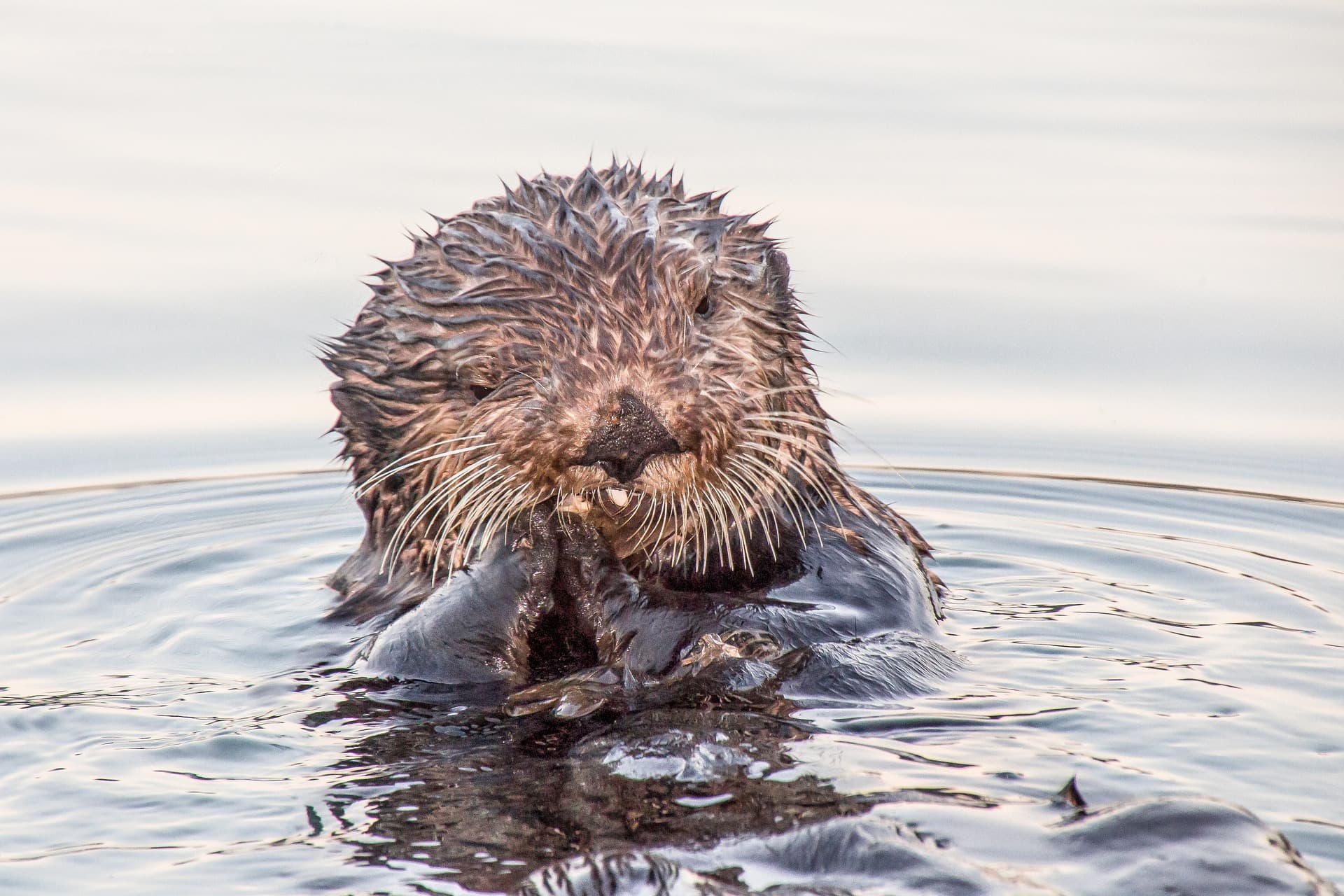
California sea otters have been pounding mussels on shoreline boulders for more than 10 years, and this behavior leaves long-term traces. Using methods from...
All animals sleep, and the loss of sleep result in significant deficits to brain performance. Prolonging sleep deprivation could be fatal; however, why do we...
Fur seals and penguins show up in the Southern Hemisphere; seals, puffins, and porpoises in the north. As icebergs appear on the horizon, large active sharks...
We have learned how the wheat crop has changed through time, thousands of years back to when it was a wild grass. Equipped with this new knowledge, wheat...
Climate model projections for the 21st century, suggest varied rainfall changes around the world with associated impacts on wheat, soybean, rice, and maize...
Poor-quality sleep changes a pattern of brain activity and increases the risk of Alzheimer’s disease. Sufficient sleeping may serve as a cheap and powerful...
The cause of the largest mass extinction in Earth history – termed “the Great Dying” – has long remained elusive. Our research demonstrates a causal link...
Biomolecular analysis of pig remains from the Stonehenge complex and other monuments have demonstrated that people and animals from across Neolithic Britain...
Observations by NASA of Greenland’s biggest glacier and largest contributor to sea-level rise reveal how vulnerable the ice sheets can be to changes in ocean...
Mosquitoes transmit diseases due to their attraction to humans. Here we discuss our paper where we show that mosquitoes lacking a particular receptor, do not...