Issue
25 Breaks in this issue · 2018
A newly discovered protein helps plants to defend themselves against aphids. It restricts these stealthy insects from draining sugar-rich sap from the plant....
Various factors including “just in case” use of antibiotics can affect the microbiome of babies, and that can sabotage their immune system.
Could a mammal's skull and brain adapt their size to cope with environmental changes? Some shrews have developed an astonishing strategy for overwintering...
A rare African snake was recently found to have skin that is thicker and harder to pierce than “typical” snake skin. This tough skin may be a defense against...
Matabele ants often get injured and loose limbs while hunting termites. Inside the nest, we observe nestmates treating these wounds. They clean the injury with...
Why do most plants and animals reproduce sexually? The Red Queen hypothesis suggests that sex provides an advantage for hosts living with parasites. This...
Almost all mammals communicate using sound, but few produce complex songs. Bowhead whales are one of only two of the great whales to do so. Spitsbergen bowhead...
It has been speculated for quite a while whether populations – first of all the human population – can drive themselves to extinction by over-polluting their...
Observations of Ceres from NASA Dawn spacecraft have detected recent variations in its surface, revealing that the only dwarf planet in the inner solar system...
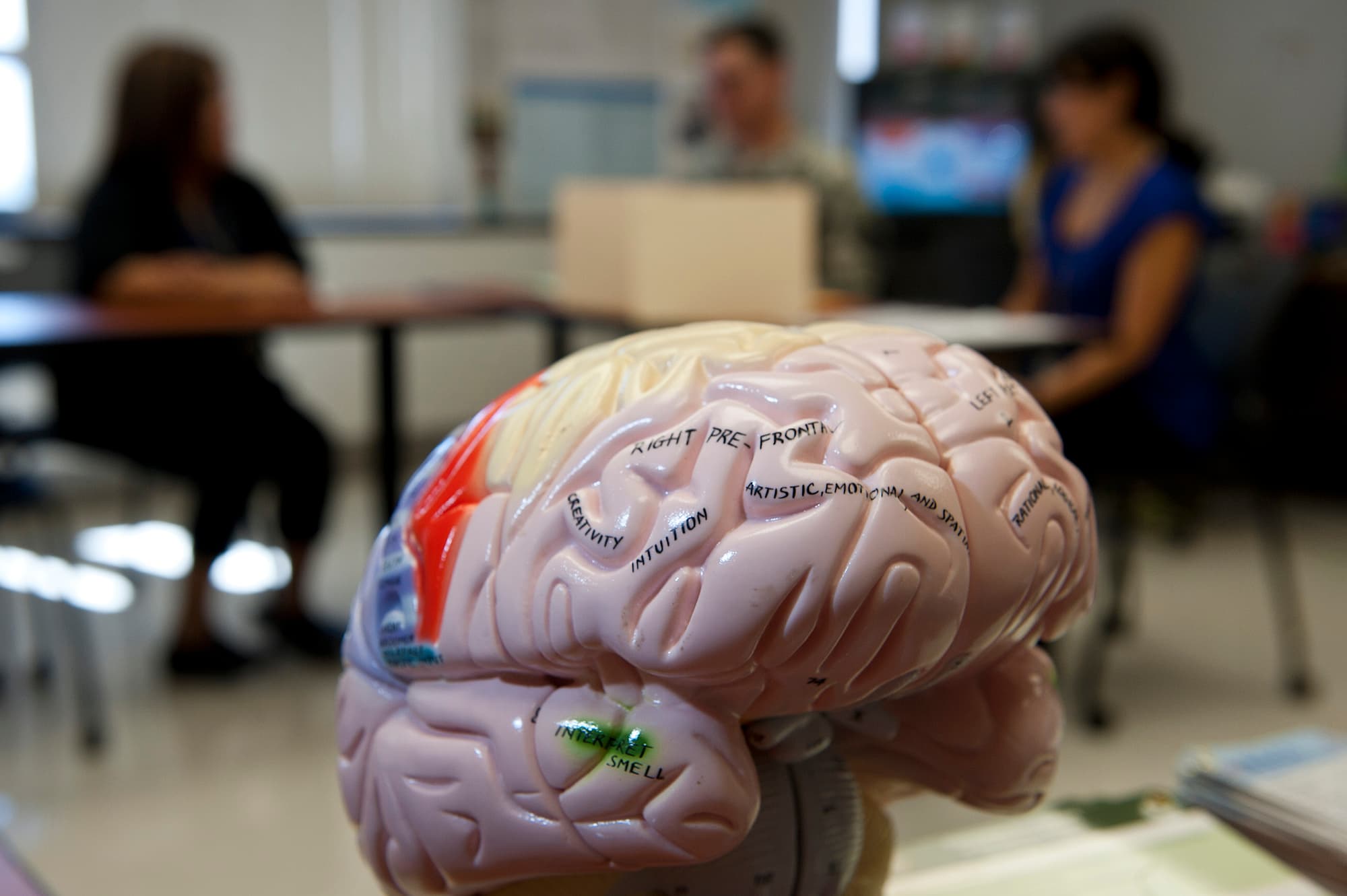
The neocortex is one of the most distinctive features of the human brain. Now we know, gene by gene, how its fourth layer develops.
More often than previously thought, fungi are able to infect seeds…what are the consequences? Seeds of tropical trees interact with a wide variety of fungal...
The taste of a fruit is largely determined by its sugar composition. Understanding the mechanisms responsible for the accumulation of different sugars will...