Issue
13 Breaks in this issue · 2017
A worldwide survey has uncovered a widespread contamination of commercial honeys with neonicotinoids (agricultural insecticides). What does this mean for us...
What makes dogs so uniquely friendly? Scientists have studied the unique relationship between humans and domestic dogs for decades, but the role of genetics in...
The evolutions of modern plants set its beginning earlier than we thought. Where it all began? How photosynthesis became a plants' feature? Old fossils hold...
Wondering why modern tomatoes are often so tasteless? New insights on their DNA offer a roadmap to bring back their tasty flavor.
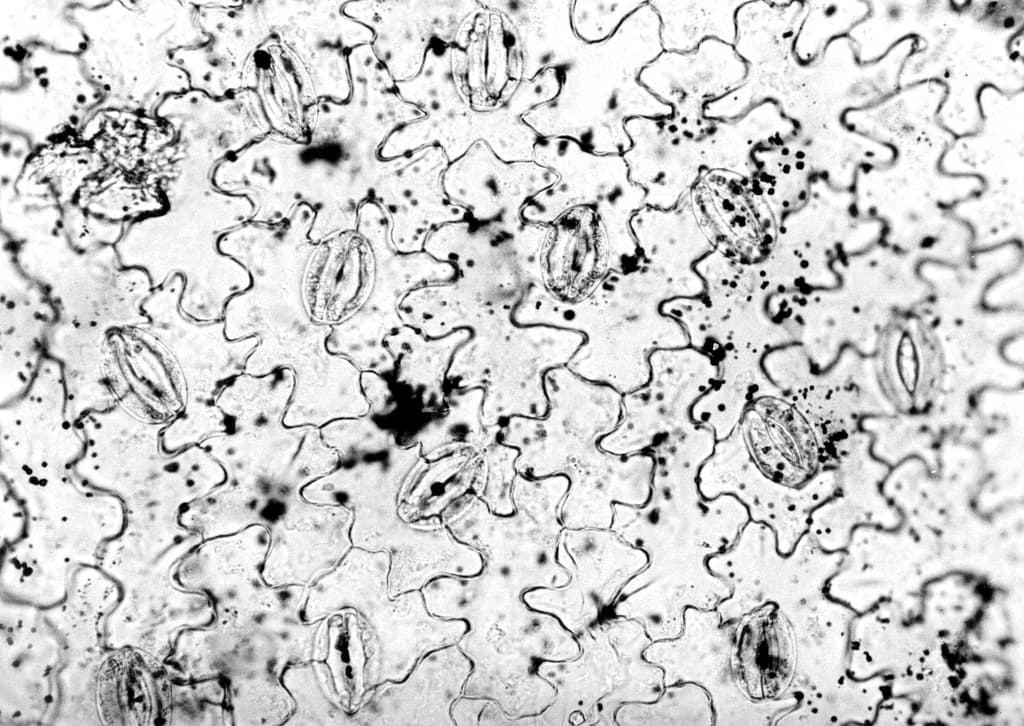
Breathing air in and out is something that we, as humans, perform in every moment of our lives. Plants do likewise thanks to tiny mouths called stomata.
Due to their static nature, plants must adapt to their surrounding environment. Among other challenges, resisting to the sun-heat is a major one. How do they...
Fire salamanders in Europe are threatened by a seemingly relentless pathogen. How will salamanders cope with this aggressive fungus?
The delicate role of climate in regulating how costal hurricanes may form and gain strength.
Sexual behaviors often have a deep impact on social interactions. Here is how female fruit flies cope with it.
The so-far largest on field study reveals crucial insights on the use of neonicotinoids in agriculture.
How has never experienced some playful and contagious happy times? Well, Kea parrots do this on a regular base.
Your car left you down and you have an airplane to catch...what will you do?